Conference
34th USENIX Security Symposium (2025)
Cookie Compliance
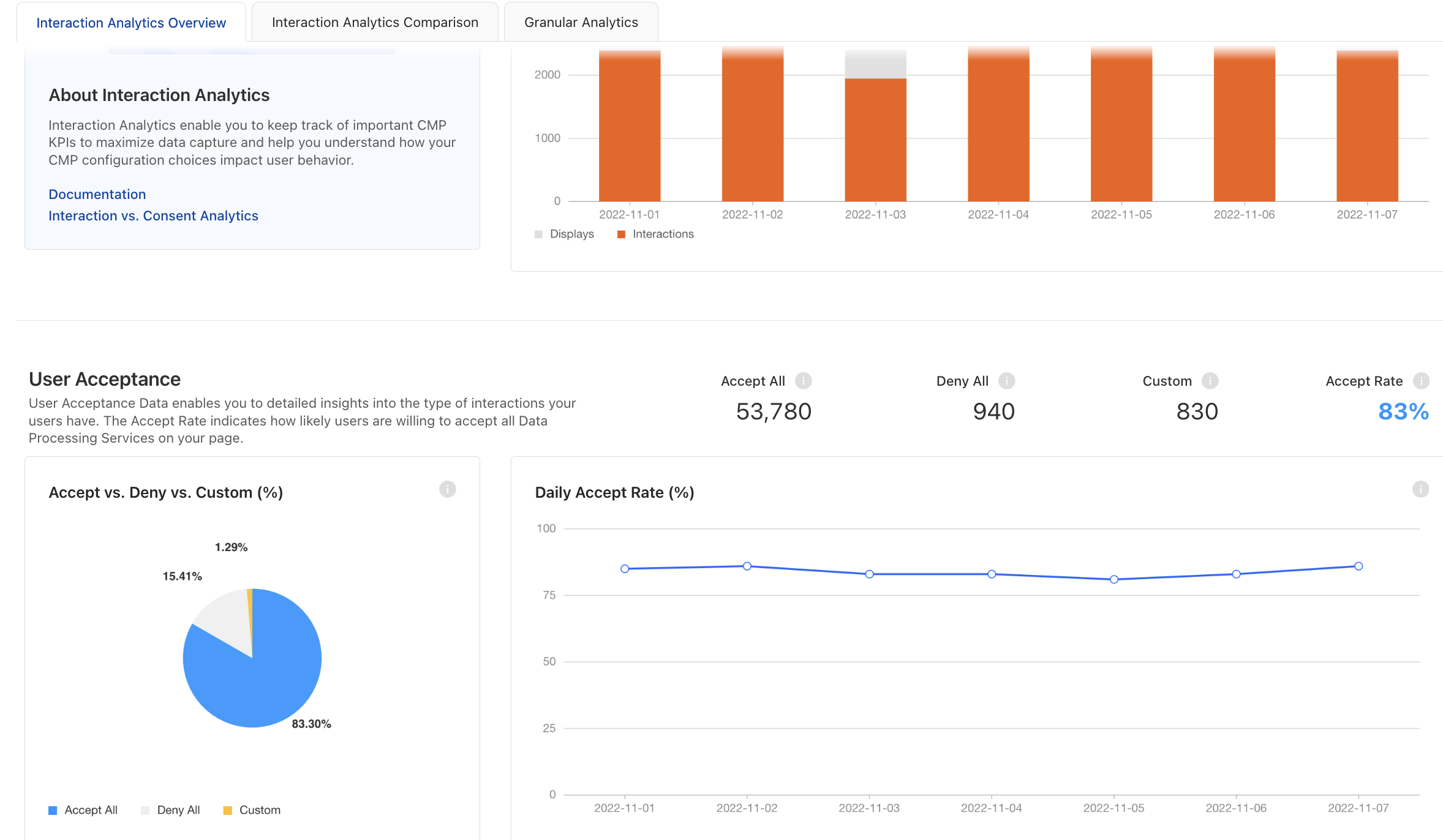
Analyzing inconsistencies in cookie consent mechanisms on websites across the globe. We developed ConsentChk, an automated system that detects and categorizes violations between a website’s cookie usage and users’ consent preferences. Contribution: measurement design, writing, and analysis of cookie consent discrepancies across 1,793 globally-popular websites.
32nd USENIX Security Symposium (2023)
Eye-Shield
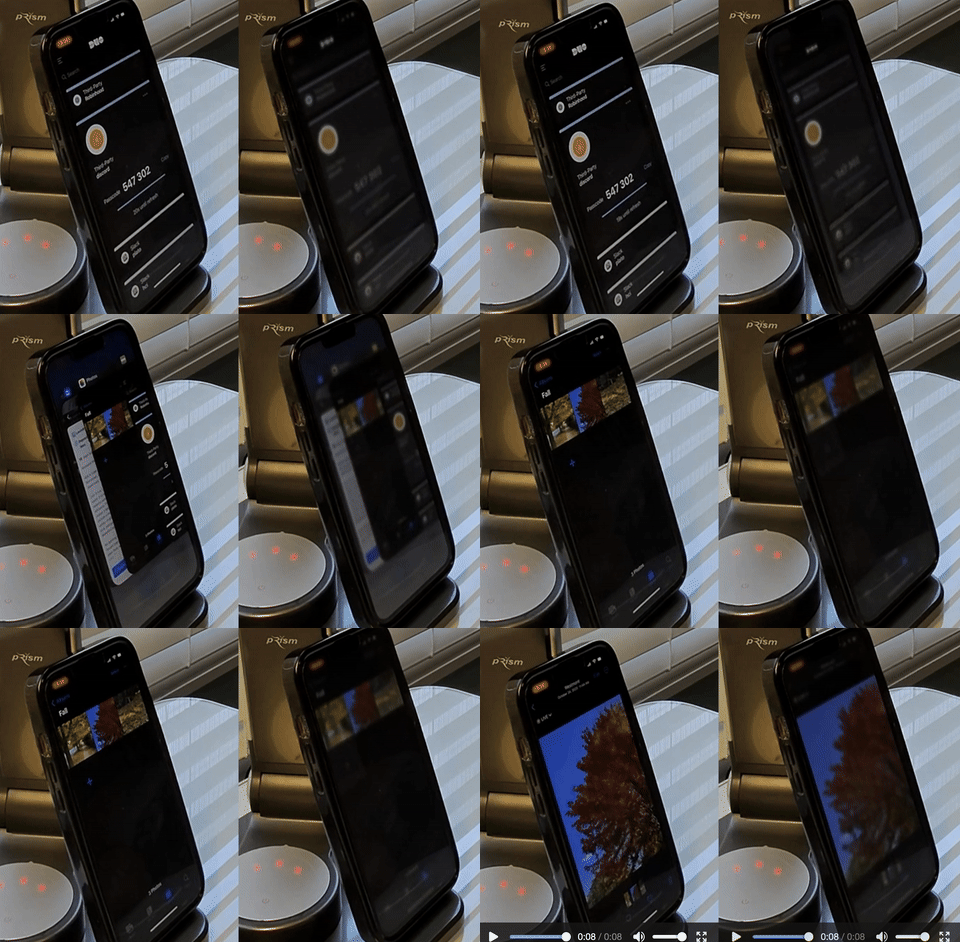
A novel defense system against shoulder surfing attacks on mobile devices. We designed Eye-Shield, a real-time software that makes on-screen content readable to the user but appear blurry to onlookers. Contribution: lead author.
44th IEEE Symposium on Security and Privacy (2023)
ExtPrivA
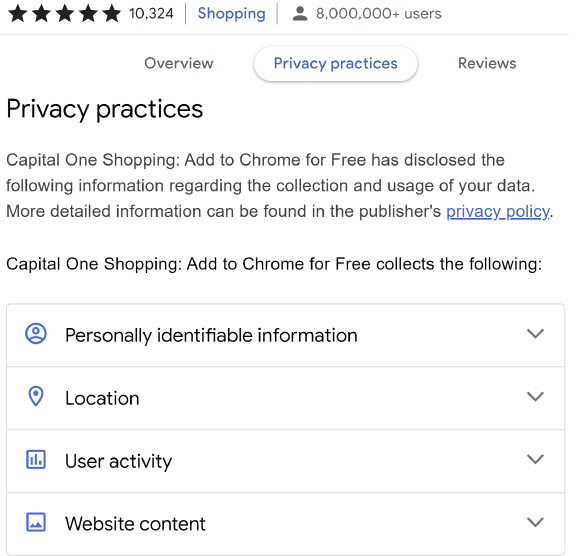
An evaluation of inconsistencies between browser extensions’ privacy disclosures and their actual data collection practices. We developed ExtPrivA to detect privacy violations by analyzing privacy policies and tracking data transfers from extensions to servers. Contribution: data collection and evaluation of 47.2k Chrome Web Store extensions finding misleading privacy disclosures.
29th ACM Conference on Computer and Communications Security (2022)
OptOutCheck
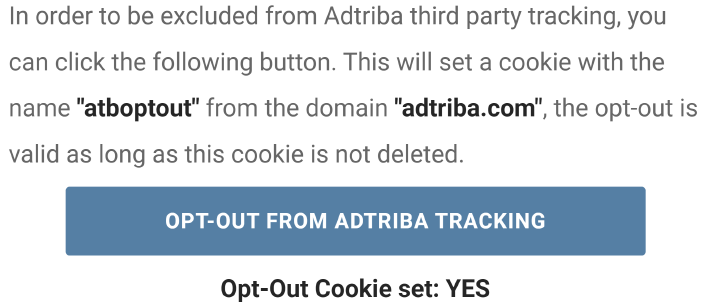
A case study analyzing the reliability of opt-out choices provided by online trackers. We developed OptOutCheck to detect inconsistencies between trackers’ stated opt-out policies and their actual data collection practices. Contribution: data collection and evaluation of 2.9k trackers.
32nd USENIX Security Symposium (2023)
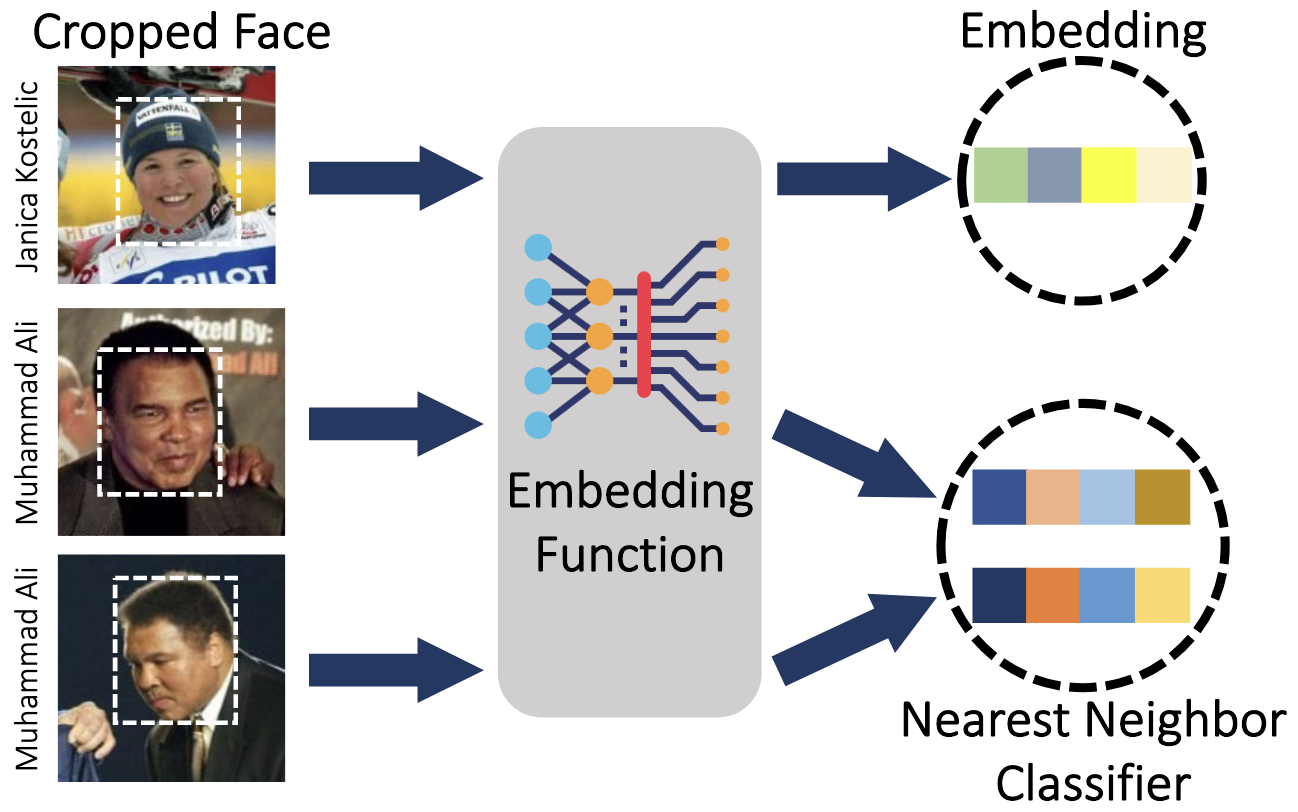
Face Obfuscation Fairness
Investigating the demographic fairness of anti face recognition systems. We analyze how these metric embedding networks may exhibit disparities across different demographic groups. Contribution: coded, implemented, and tested theoretical framework proposed by lead author.
17th ACM/IEEE International Conference on Human-Robot Interaction (2022)
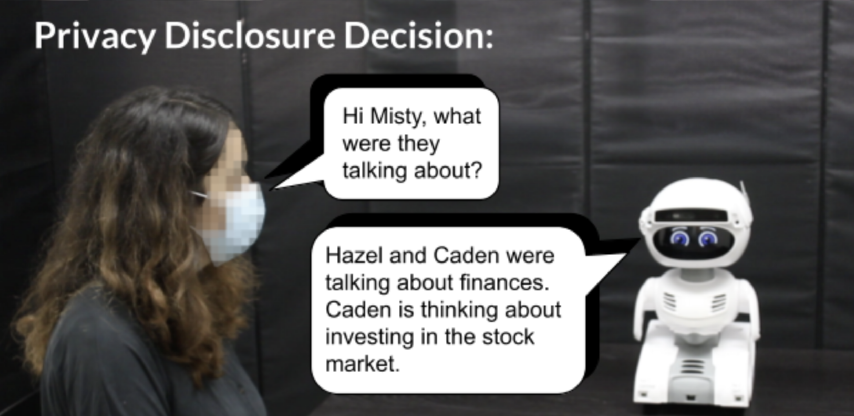
Confidant
Exploring privacy management in conversational social robots. We developed CONFIDANT, a privacy controller that leverages various NLP models to analyze conversational metadata. Found that robots equipped with privacy controls are perceived as more trustworthy, privacy-aware, and socially aware. Contribution: lead author.
21st Symposium Privacy Enhancing Technologies (2021)
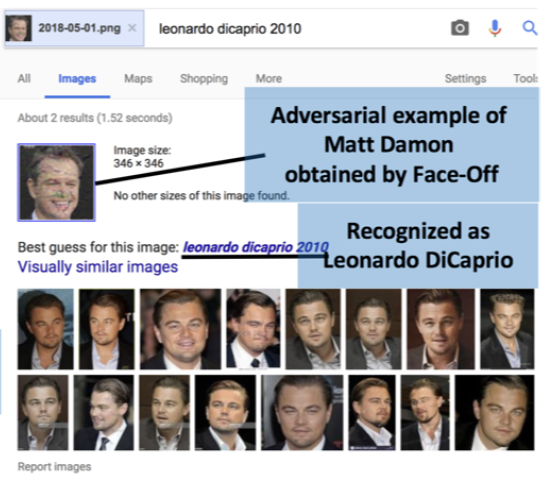
Face-Off
Protecting user privacy by preventing face recognition. Face-Off introduces perturbations to face images, making them unrecognizable to commercial face recognition models. Contribution: coding, evaluation, and deployment, creating one of the first anti face recognition systems.